
Small drones are hard to separate from background noise across RF, radar, optical, and acoustic sensors individually.
Drones, capable of crossing 1 km in 36 seconds at 100 km/h, outpace human reaction times.
Low-cost drones can credibly threaten high-value assets, forcing disproportionate responses from expensive defense systems.
Swarm coordination, decoys, and maneuvering overwhelm defense systems designed to engage targets individually.

LSTM-based RF classification, radar micro-doppler analysis.
Multi-hypothesis tracker with trajectory prediction.
Drone type, payload estimation, threat scoring, swarm analysis including collective behavior modeling, leader identification.
Engagement prioritization, countermeasure selection.
Multi-effector orchestration within ROE.
Continuously learns from outcomes, improving accuracy and effectiveness over time.









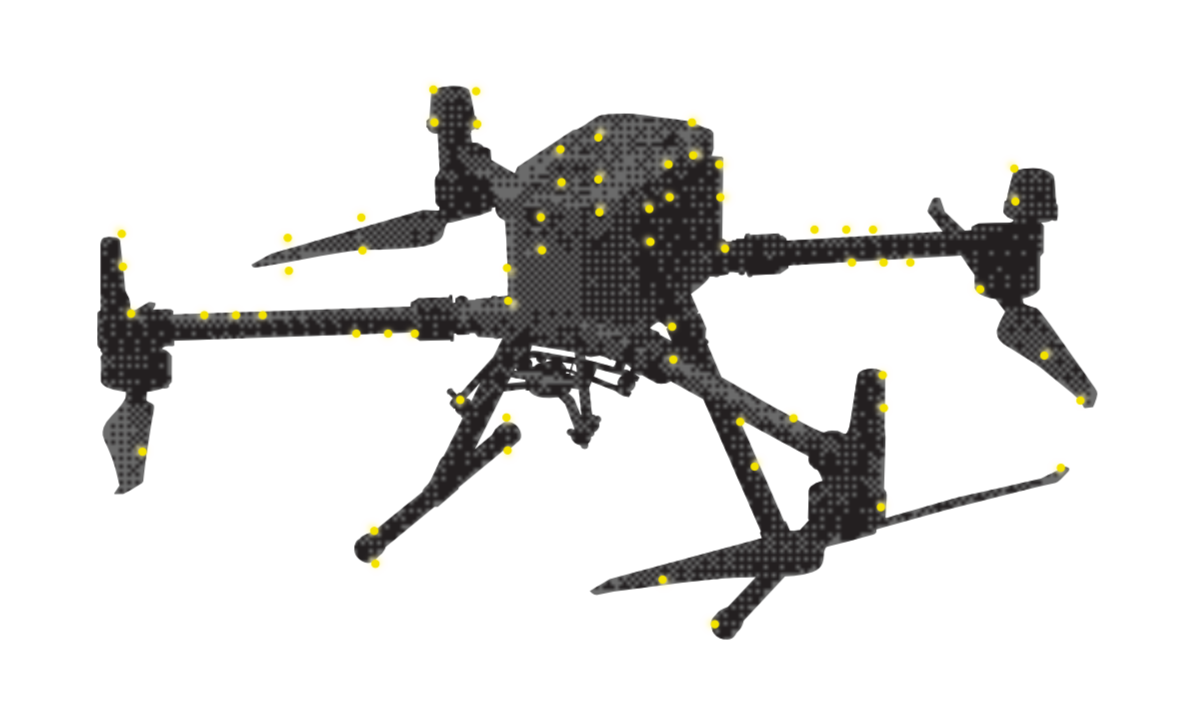

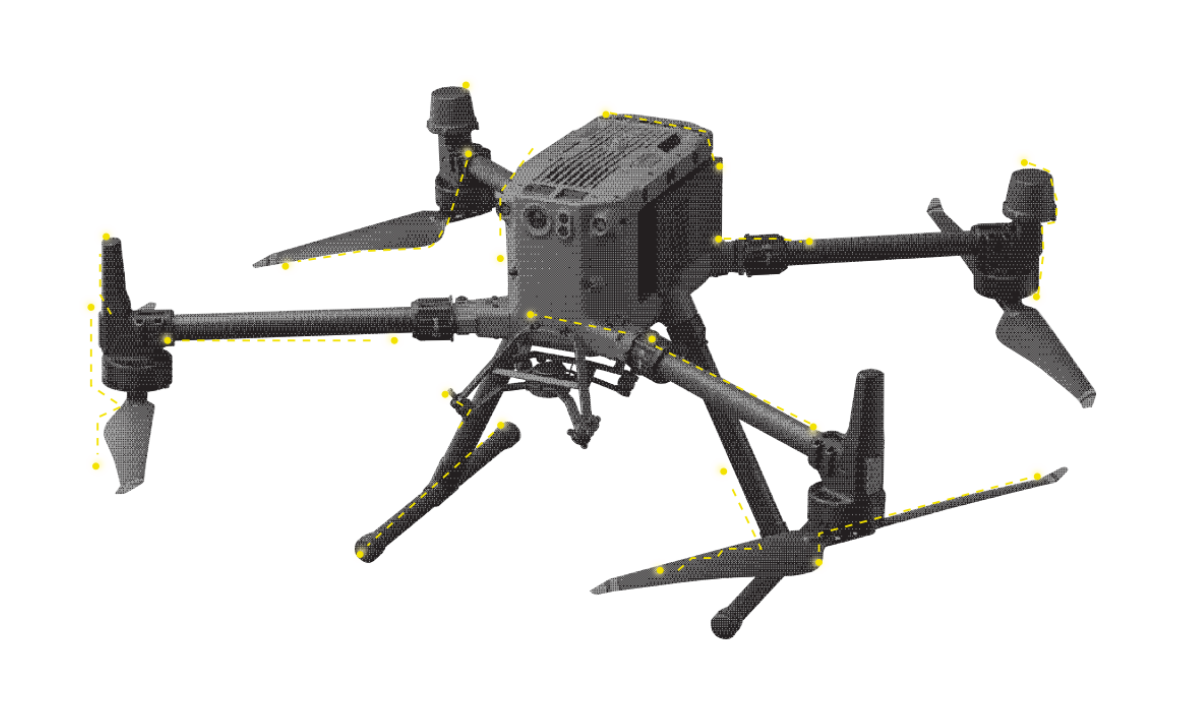
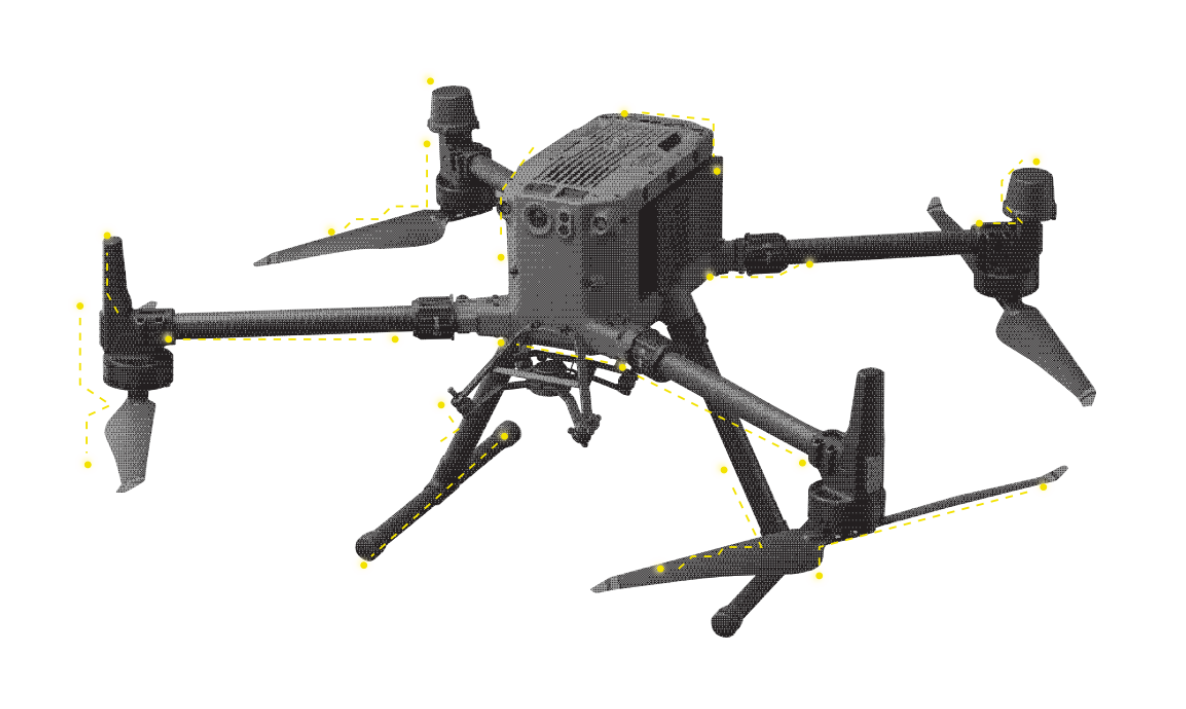
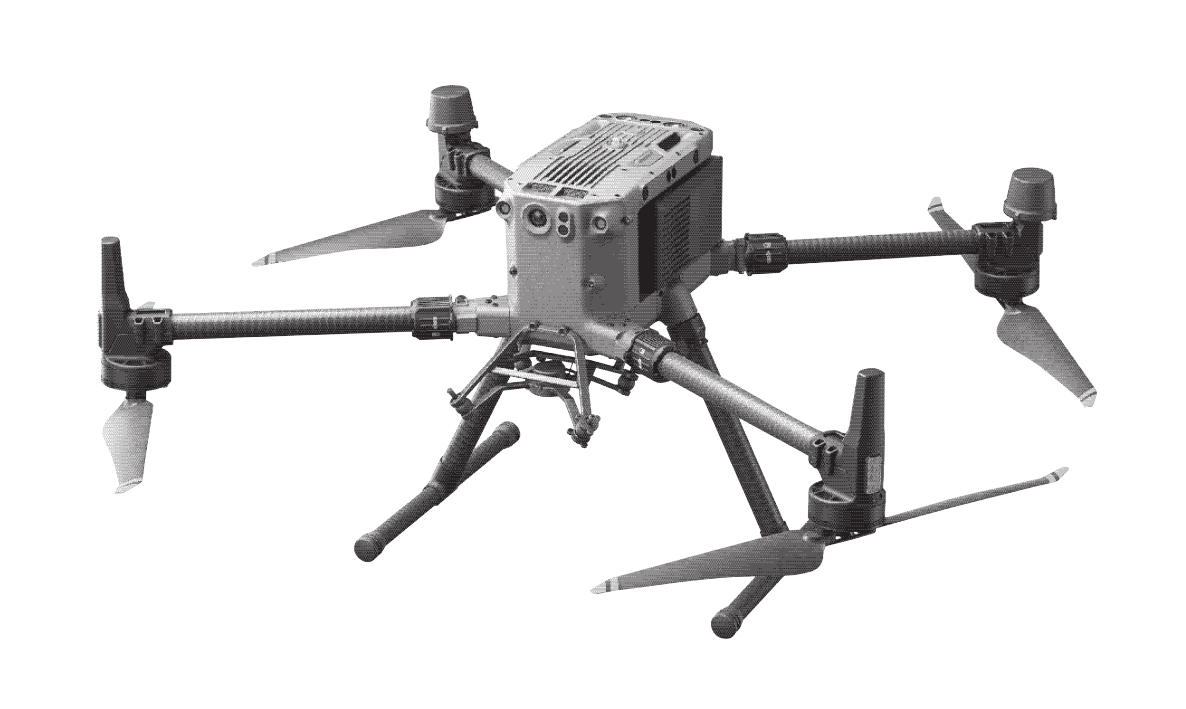


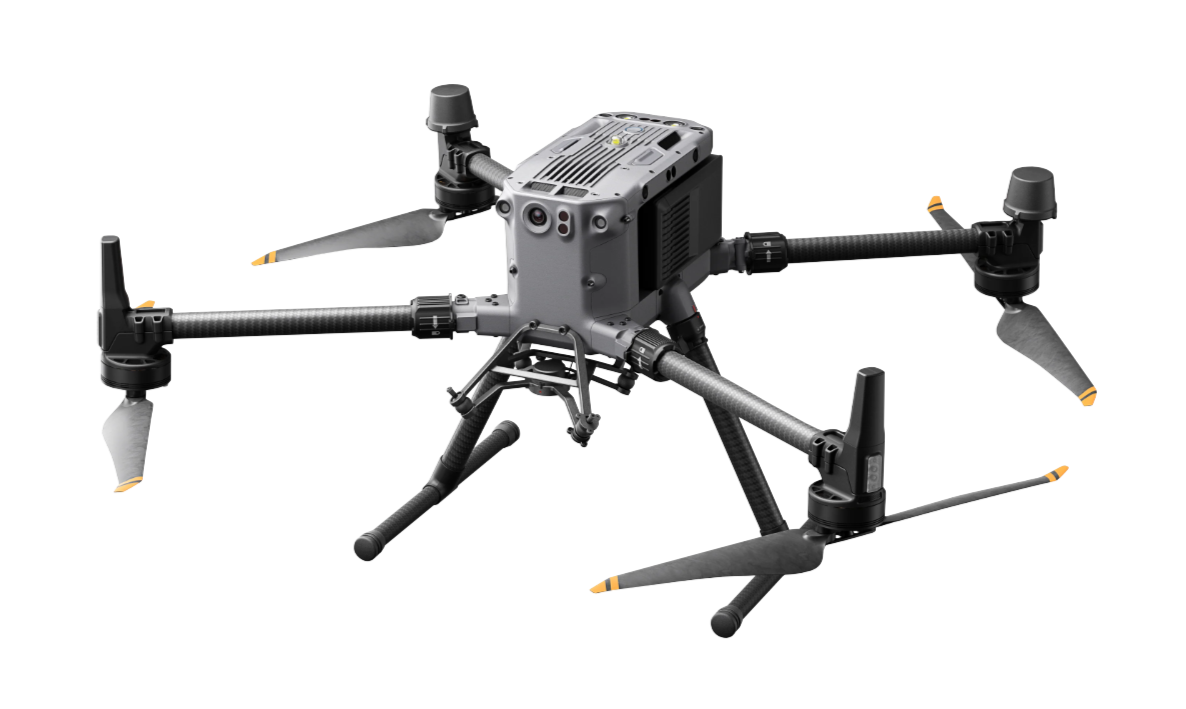


Persistent, multi-sensor airspace monitoring with autonomous counter-drone response within defined rules of engagement.
Continuous protection of high-value sites such as power plants, refineries, and data centers.
Low-altitude airspace monitoring around airports to detect, track, and manage unauthorized drones that disrupt flight operations and safety.
Rapid deployment airspace control for cities, VIP movements, and public events, enabling fast detection and managed response to unpredictable drone activity.